
KIRKUS has published a new review of my soon-to-be-released book, Technothriller. Check it out here:
“Scholarly, in-depth survey with insightful critiques of a fairly recent film genre.”
Professor, Film + Digital Media at UC Santa Cruz / semurray[at]ucsc[dot]edu
KIRKUS has published a new review of my soon-to-be-released book, Technothriller. Check it out here:
“Scholarly, in-depth survey with insightful critiques of a fairly recent film genre.”
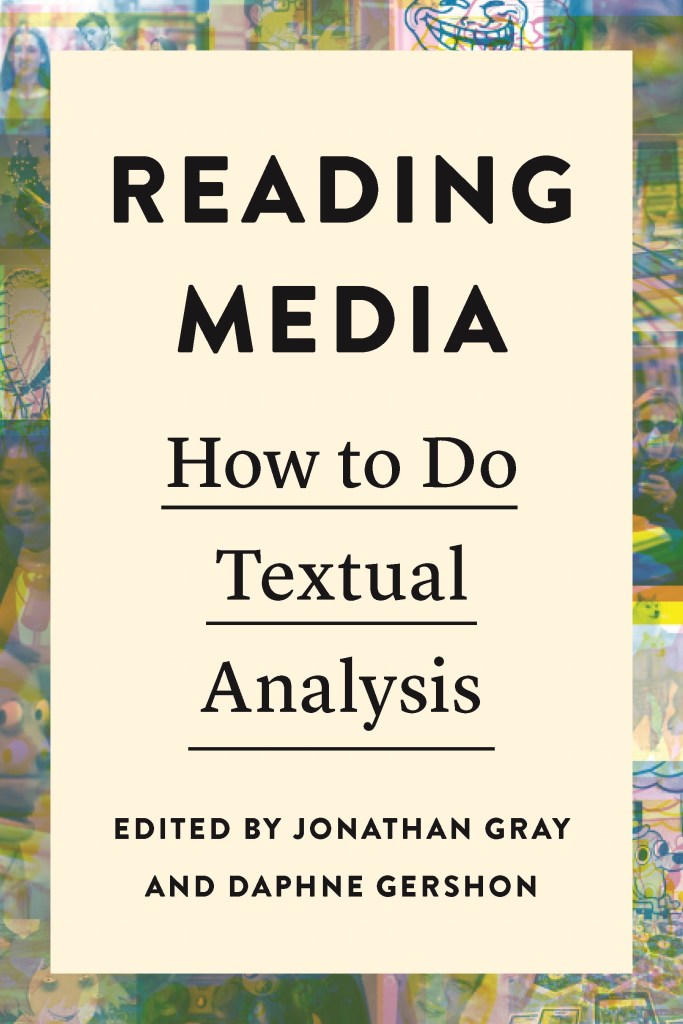
I’m grateful to be included in an anthology!
Reading Media: How to do Textual Analysis reinvigorates one of media and cultural studies’ most foundational methods at a moment when it is most needed, showing its continuing vitality by adapting it to new media environments, cultural objects, and scholarly questions.
The volume insists that the close study of meaning, form, and representation remains central to understanding media’s power. With contributions from leading and emerging scholars, the book offers a diverse toolkit: from narratological and semiotic analysis of film and TV, to historical poetic accounts of TikTok, multimodal analysis of Afrobeats music videos, and postcolonial criticism of games. Essays extend the scope of textual analysis to unexpected objects—such as plastic waste, memes, and refugee-authored media—while others demonstrate how texts operate across platforms, genres, and transmedia franchises. Beyond offering new and improved approaches to textual analysis, each chapter illustrates its approach using a specific case study, functioning both as a step-by-step how-to guide and as an example of textual analysis in action.
Reading Media advances a vision of textual analysis that is rigorous yet flexible, attuned to both aesthetics and politics, and responsive to today’s media environment. Essential for students and scholars in media, communication, and cultural studies, Reading Media both reaffirms and renews textual analysis as an indispensable way of engaging with the mediated worlds that shape contemporary life.
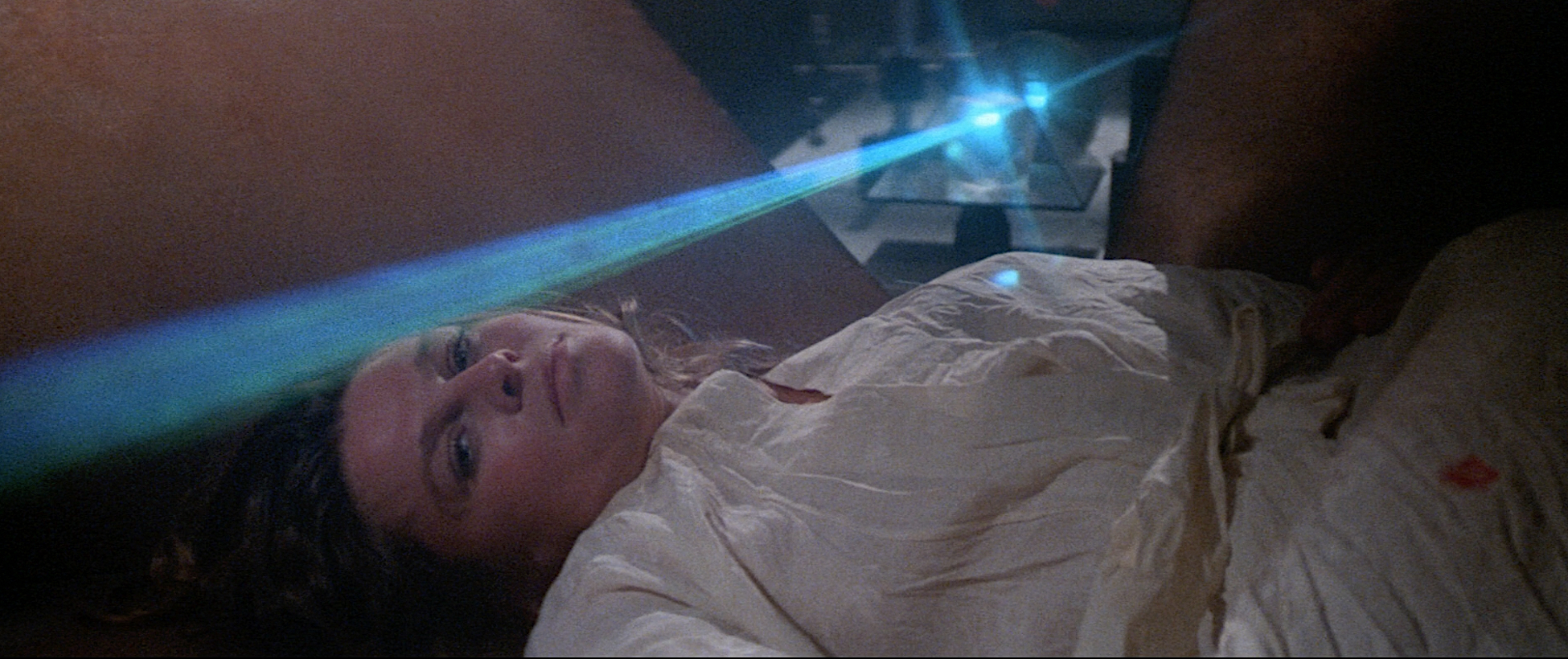
Warm thanks to Paul McGuinness and friends at University of Sussex for inviting me to speak on Demon Seed…
In Technothriller (The MIT Press, 2026), Soraya Murray reveals how popular American films featuring advanced technology—mainly biotech, military, and computational—capture our cultural anxieties, dreams, and convictions about the power and meaning of our innovations.
Along with iconic adaptations from technothriller novels by Tom Clancy and Michael Crichton, such as The Hunt for Red October and The Andromeda Strain, Murray considers Westworld, Rollerball, Demon Seed, WarGames, Ex Machina, Tenet, M3GAN, and The Creator, as well as the Terminator and Mission: Impossible franchises. Through these films and others, she traces deeply embedded popular beliefs about technology and innovation—and proposes new interpretations of the troubled, sometimes catastrophic relationships between humans and their inventions.
In this talk, Murray shares her work on Demon Seed (Donald Cammell, 1977), a technothriller based on the 1973 book by Dean R. Koontz, in which a supercomputer intelligence ensnares its innovator’s wife in her smart home and forces her to carry its offspring.
 SORAYA MURRAY